The ground is not supposed to open up like this. These eight places are where it did anyway — sinkholes, collapsed calderas, and flooded caves that turn "solid earth" into a punchline.
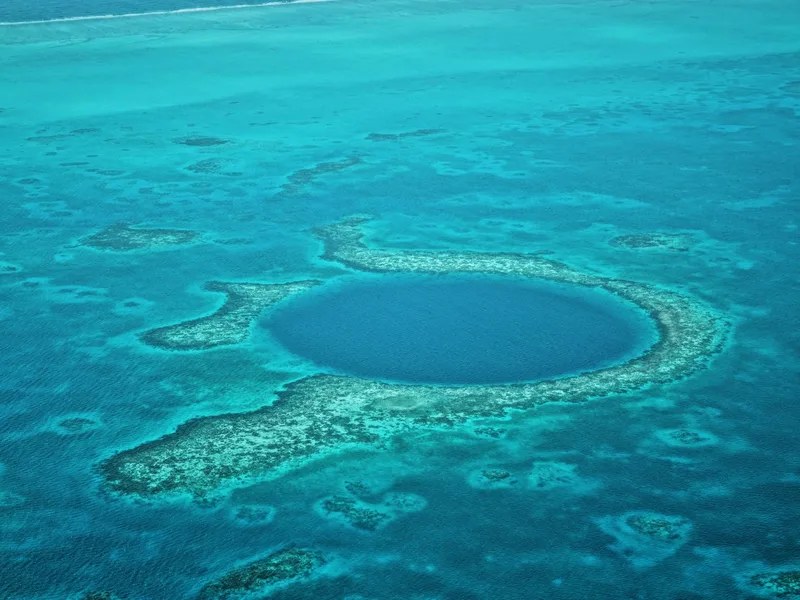
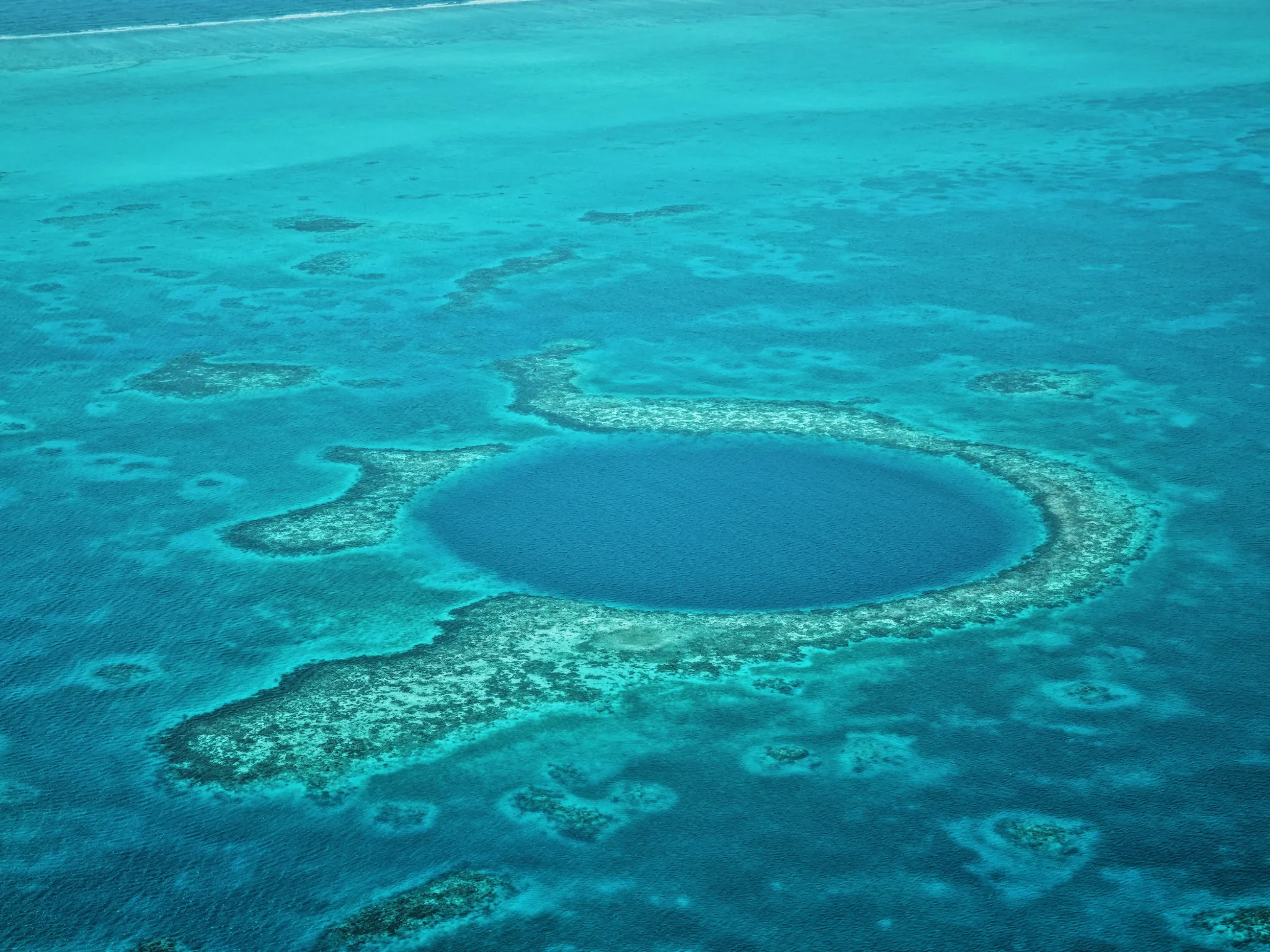
Giant sinkholes have become one of the internet's most reliable viral moments — a parking lot in Japan, a football field in Mexico, a street in Chile, gone overnight. But the planet has been doing this on a much grander scale for millions of years, and some of the results are stable enough to actually visit. The Great Blue Hole off the coast of Belize is the poster child: a nearly perfect 124-meter-deep circle in the middle of a coral atoll, invisible from a boat deck and unmistakable from a plane. It formed as a limestone cave system during the last ice age, then flooded and collapsed as sea levels rose — the same process behind most entries on this list, just given more time to work.
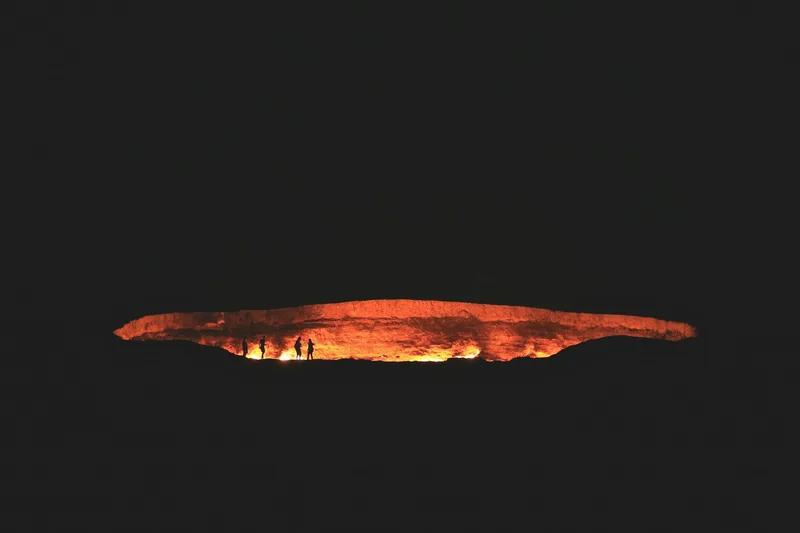
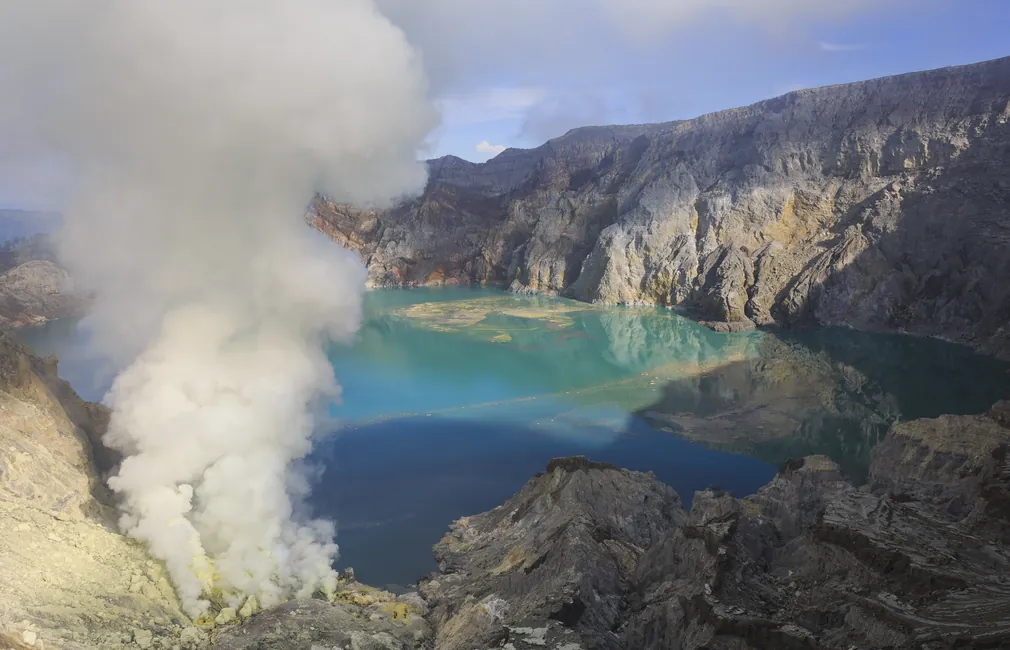
Not every hole here is water-filled. Darvaza Crater in Turkmenistan — nicknamed the "Door to Hell" — has been burning continuously since Soviet engineers reportedly set it alight in 1971 to burn off methane from a collapsed drilling site. It was supposed to take a few weeks. Five decades later, it's still going, and it's become one of the most photographed gas craters on Earth precisely because nobody expected a mistake to become a landmark. Kawah Ijen in Java takes the fire theme further: its crater lake glows with genuine electric-blue flames at night, caused by sulfuric gas igniting as it escapes through fissures — one of only a handful of places on the planet where this happens at all.
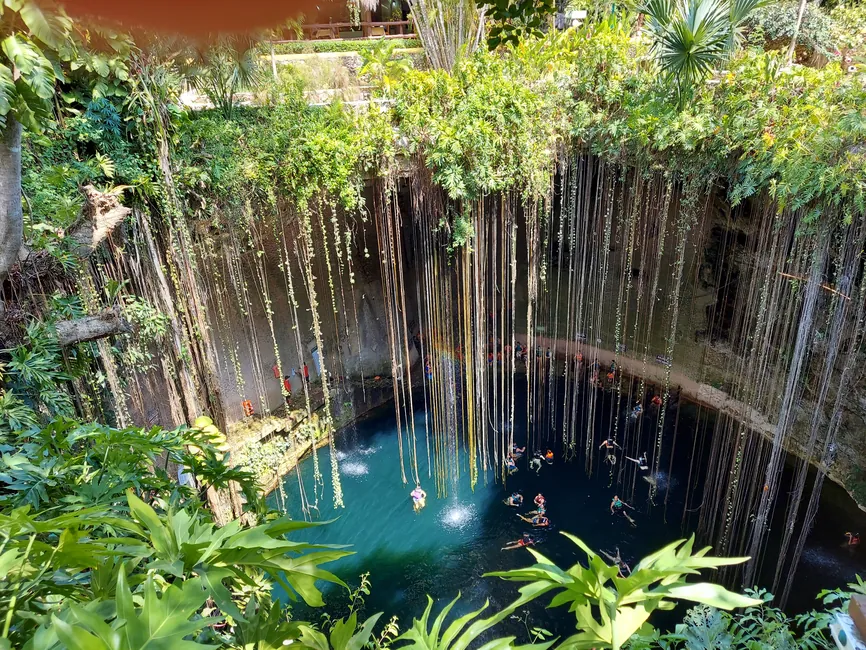
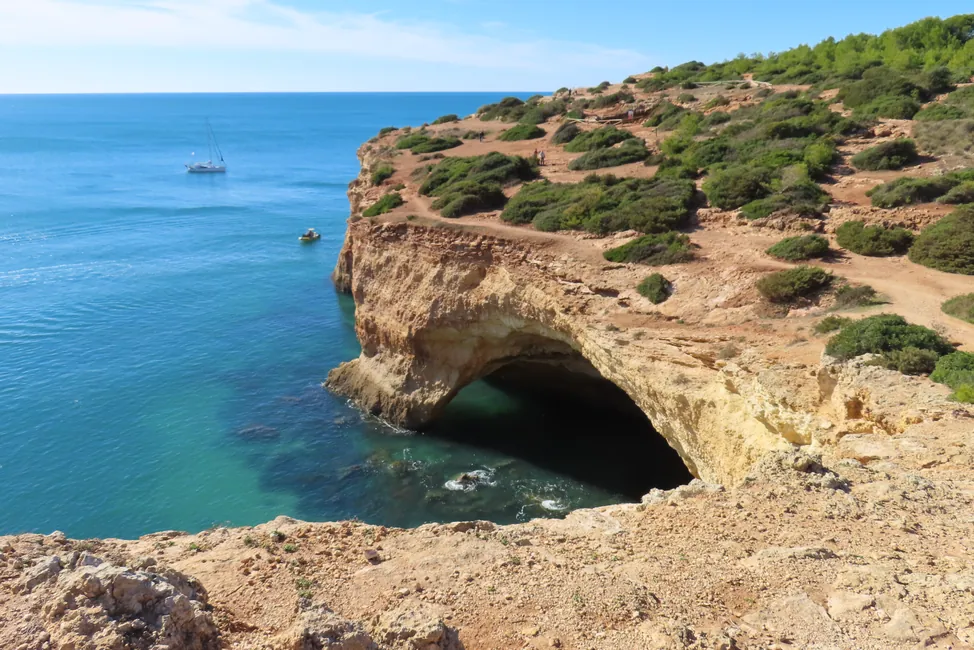
Mexico's Yucatán Peninsula is riddled with cenotes — sinkholes where a cave roof collapsed to expose the water table below. Ik Kil Cenote is the most visited: a nearly circular pool 26 meters down, ringed by hanging vines and considered sacred by the ancient Maya, who saw these openings as literal portals to the underworld. Portugal's Benagil Cave works the same idea from a different angle — a sea cave with a skylight opening in its domed roof, so sunlight drops straight down onto a private beach that's only reachable by boat or kayak.
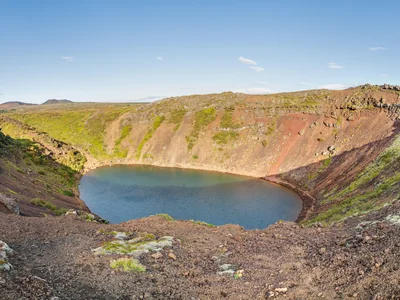
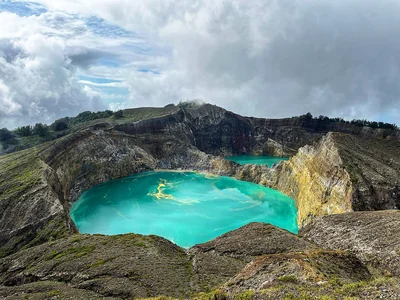
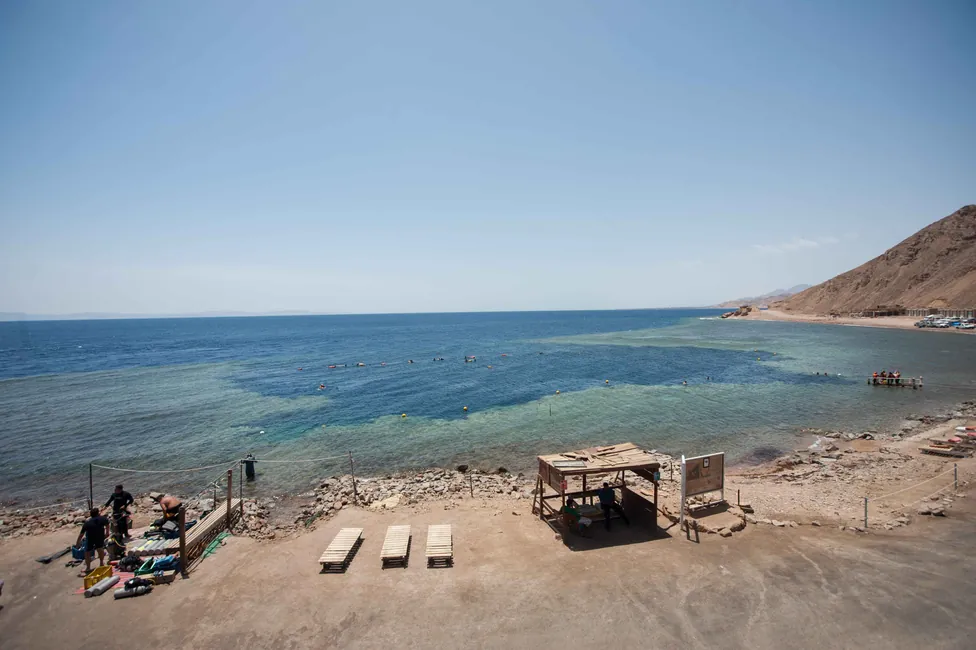
Iceland's Kerið Crater is a 3,000-year-old volcanic caldera that partially collapsed after its magma chamber emptied, leaving a steep red-rock bowl holding an improbably teal lake at the bottom. Indonesia's Mount Kelimutu goes one further with three separate crater lakes side by side, each a different, shifting color from mineral and gas activity — locals traditionally believed each lake housed a different category of departed soul. And Egypt's Blue Hole of Dahab, for all its beauty, has earned a darker reputation among divers as one of the most dangerous sinkholes in the world, thanks to an underwater arch that has claimed dozens of lives.
None of these needed CGI or a caption to look unreal. The ground simply did what it does over geologic time — and left an opening.