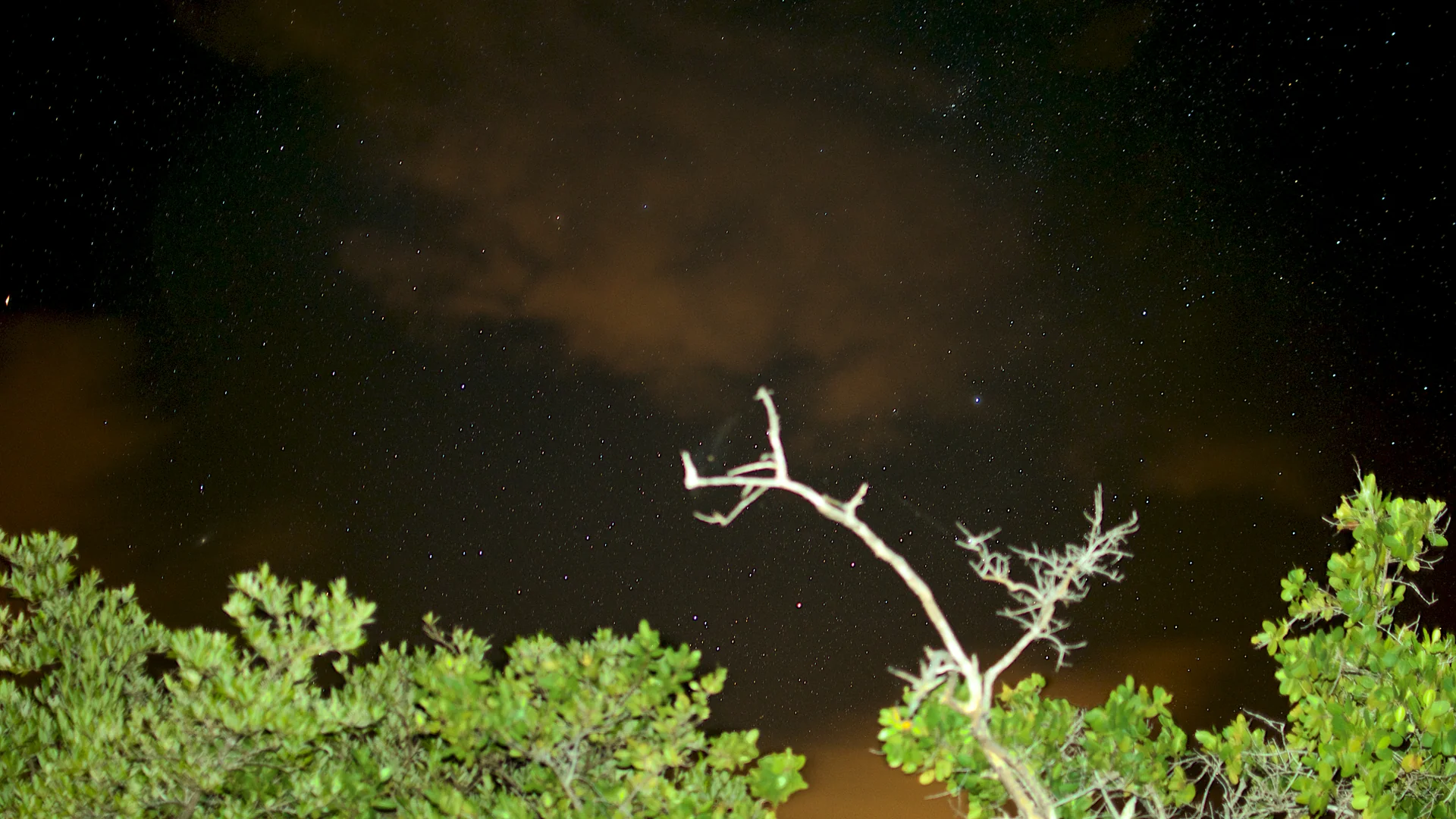
Dark-sky tourism was worth an estimated $10 billion in 2026, and industry forecasters expect it to double again within a decade. The reason is almost embarrassingly simple: for most of human history, the night sky was the main event, and modern light pollution took it away from nearly everyone. A handful of places on Earth still deliver what used to be ordinary — a sky, or a sea, doing something spectacular after the sun goes down.
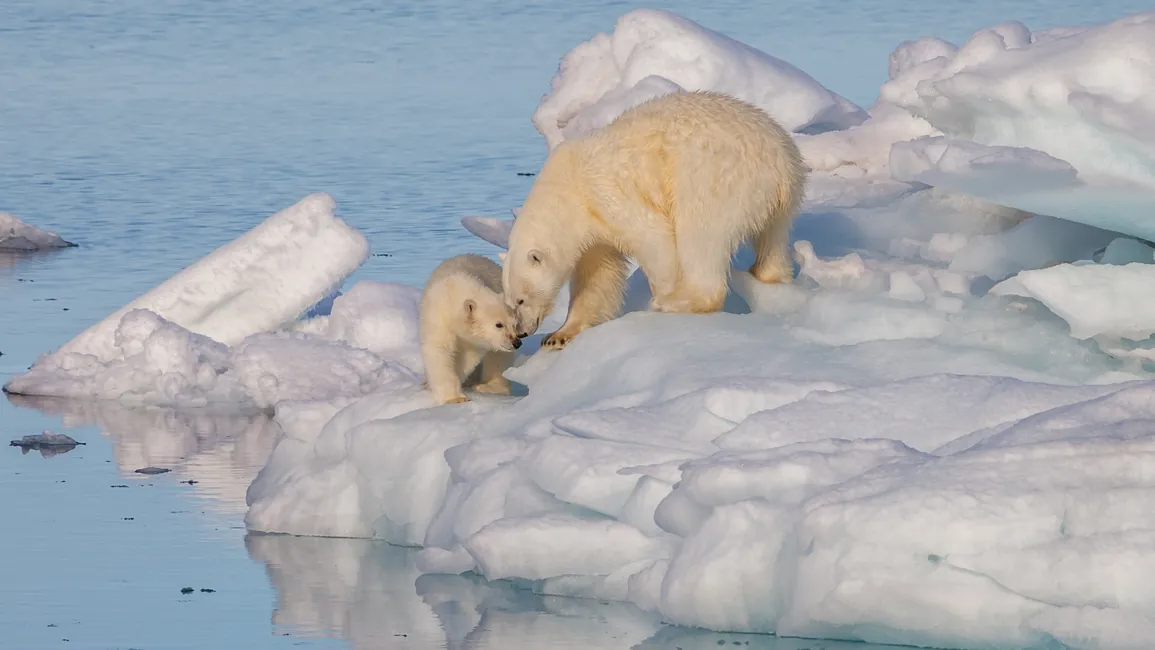
2026 adds an unusually good reason to go looking. The sun is still working through the aftershocks of Solar Cycle 25's peak, and the years right after a solar maximum tend to produce some of the most intense and unpredictable space weather of the whole cycle — auroras reaching further south than usual, for a window that may not repeat until the mid-2030s. Norway's Svalbard, an Arctic archipelago at 78 degrees north where the sun does not set for four months and does not rise for another four, sits inside exactly that window every February and March.
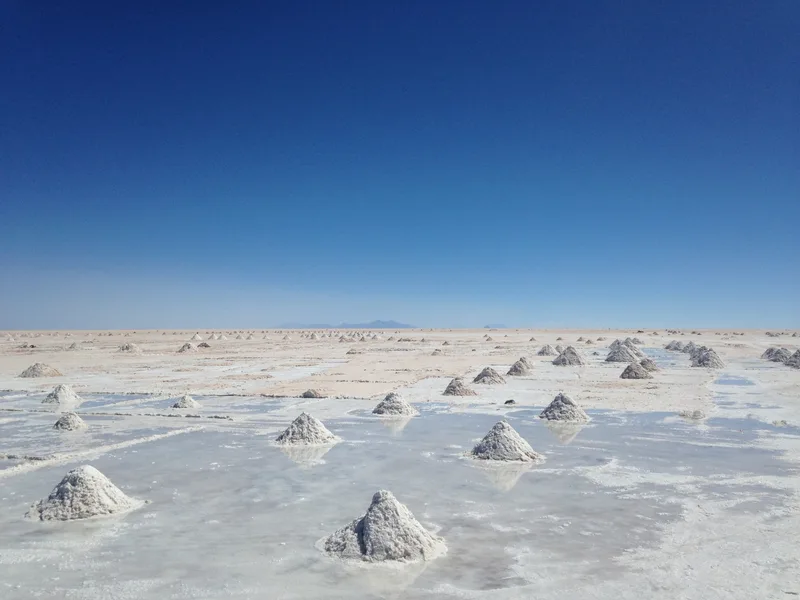
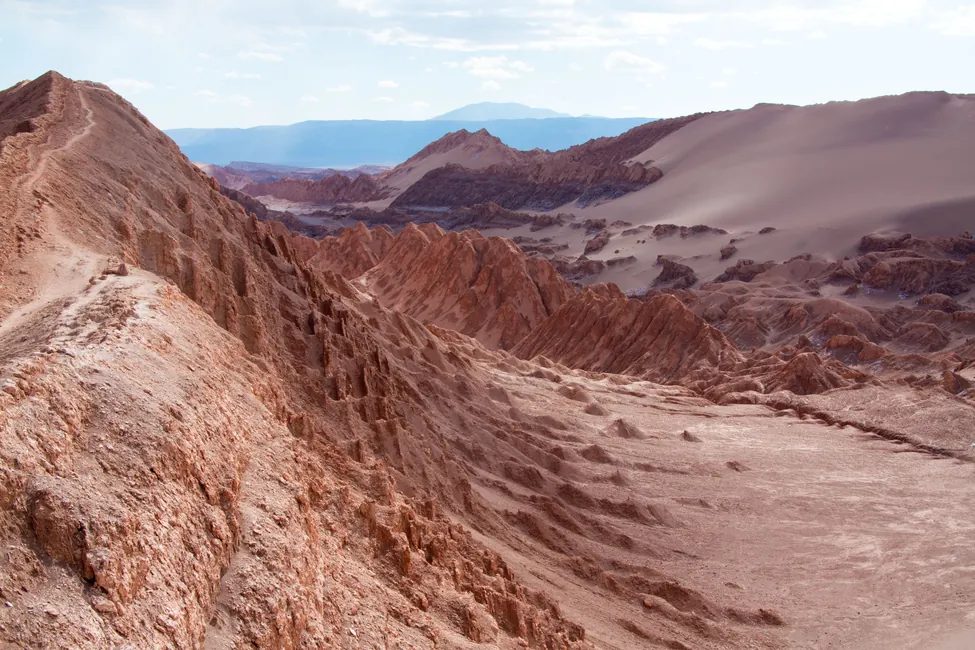
Some places do not need a solar storm to put on a show. Bolivia's Salar de Uyuni, the largest salt flat on Earth, turns into a mirror during the wet season, reflecting the sky so precisely that the horizon disappears and the Milky Way appears to wrap completely around anyone standing on it. Chile's Valle de la Luna sits inside the Atacama Desert, one of the driest, highest, and least light-polluted places on the planet -- the reason astronomers built some of the world's largest telescopes a short drive from this exact valley, and the reason its own moonscape glows like it is lit from somewhere other than the sun.
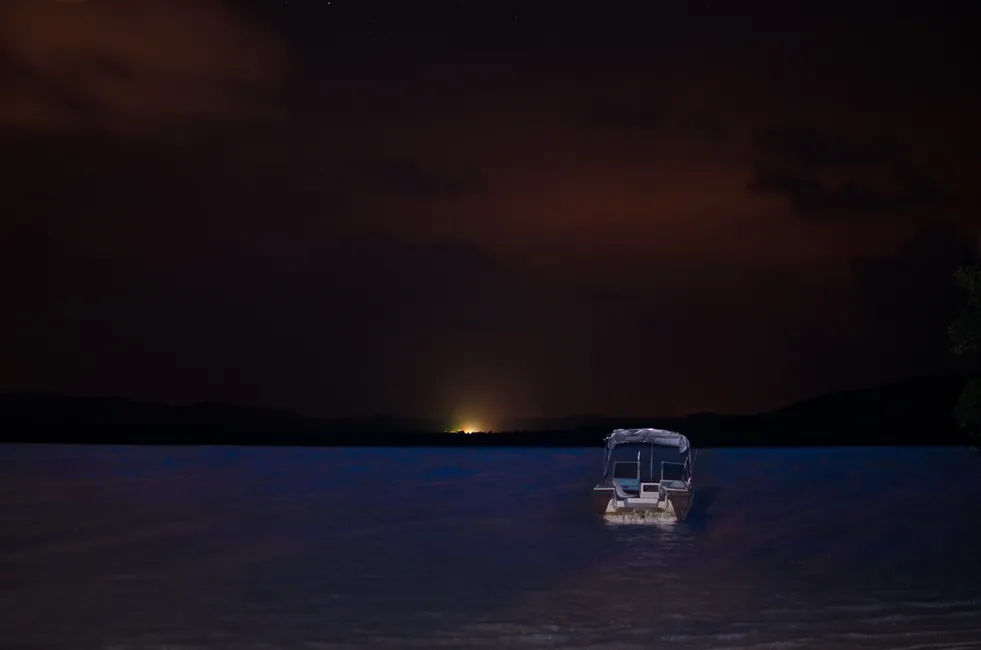
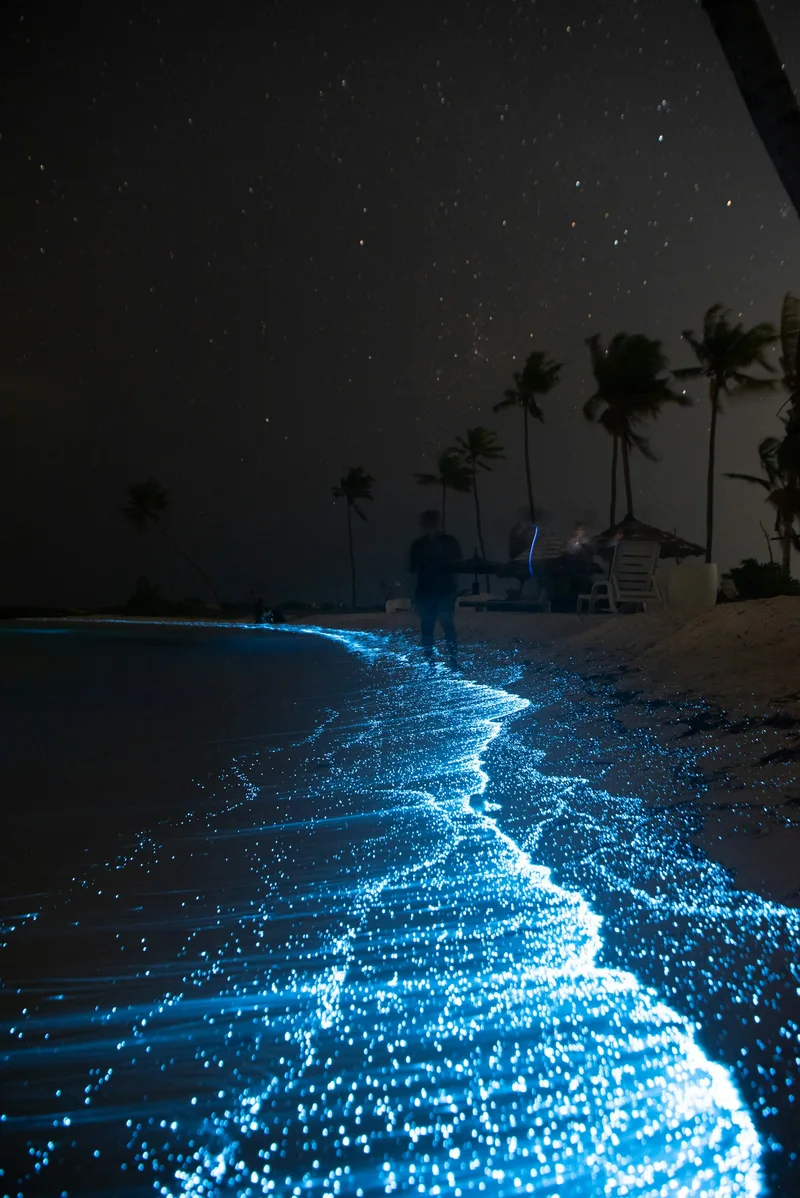
The ocean has its own version of this trick, minus the sky entirely. Puerto Rico's Mosquito Bay, on the island of Vieques, holds the highest concentration of bioluminescent dinoflagellates ever recorded -- every paddle stroke through the water at Night detonates a trail of blue-white light. The Maldives' Sea of Stars does the same thing from the shoreline instead of a boat: waves break on Vaadhoo Island's beach and leave the sand glowing electric blue, a low-tech mirror of the stars it is named for.
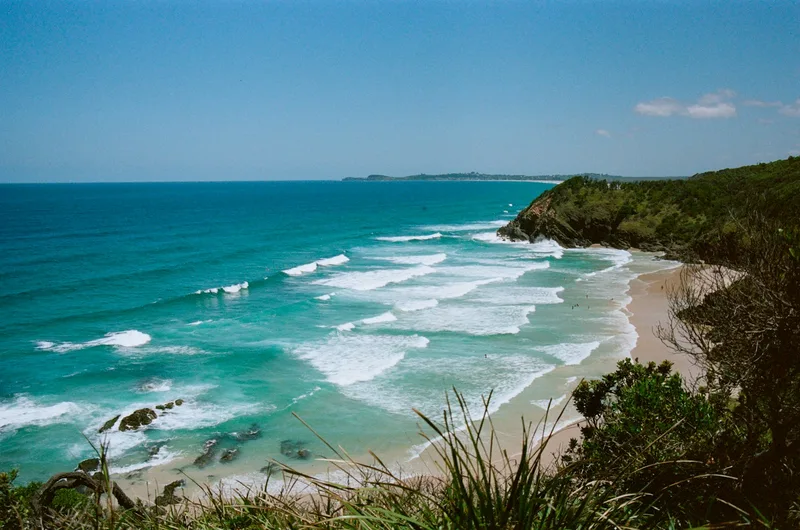
New Zealand's Waitomo Caves move the effect underground -- thousands of glowworms turn a limestone ceiling into a fixed constellation that never needs a clear night to appear. Australia's Jervis Bay keeps it at the beach, its clear Southern Hemisphere water lighting up electric blue with the same kind of plankton bloom that colors Mosquito Bay, on a coastline usually known for clarity rather than light shows. None of these depend on a filter, a long exposure trick, or a full moon working in their favor -- several of them work better without one. For everywhere else in the atlas where the Ocean itself seems to glow, or the sky refuses to behave, this collection is a start, not the whole map.