Wellness tourism is on track to cross a trillion dollars globally in 2026, and one of its fastest-growing rituals barely qualifies as wellness at all: wild swimming. What used to be a niche hobby for cold-water enthusiasts has become a full travel category, with people planning entire trips around a single body of water -- Denmark's harbor baths, Japan's onsen, Iceland's geothermal soaks. These seven push the idea somewhere stranger.
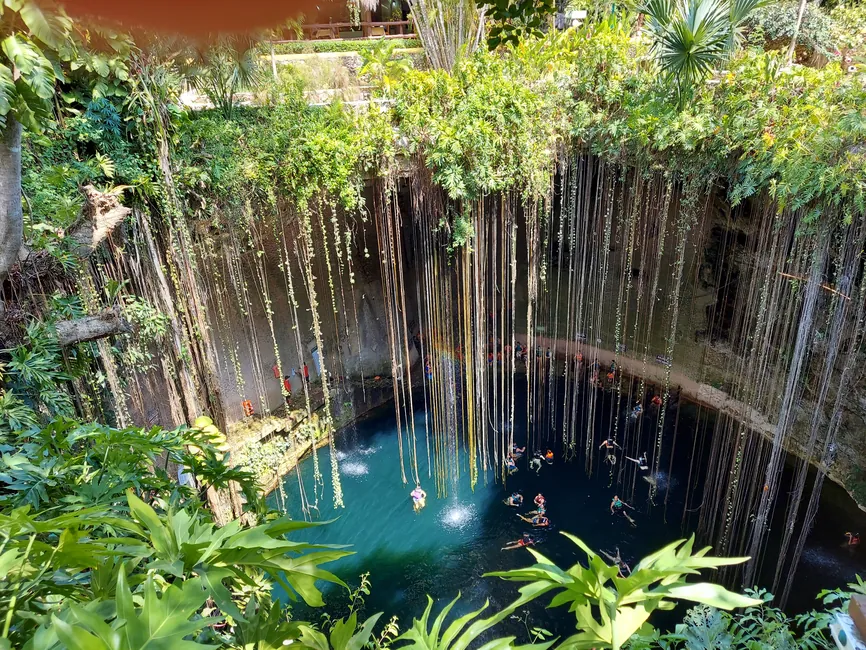
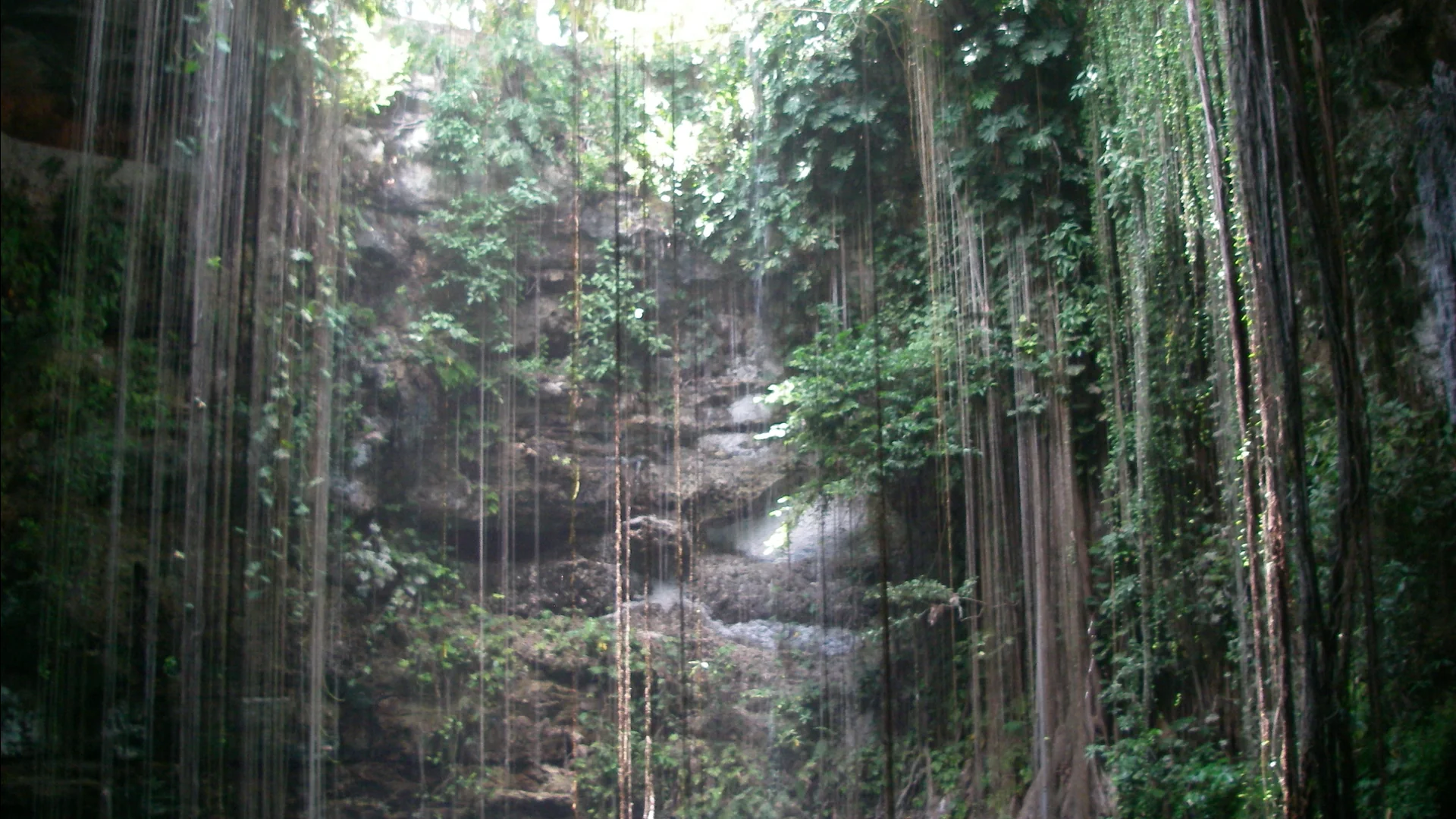
Start with the trend's most-cited example. Mexico's Ik Kil Cenote is a 60-meter-wide sinkhole near Chichen Itza, its blue-green water sitting 26 meters below ground level under a ring of hanging roots. The Maya considered cenotes sacred portals; modern visitors reach the water by a carved stone staircase and jump in anyway.
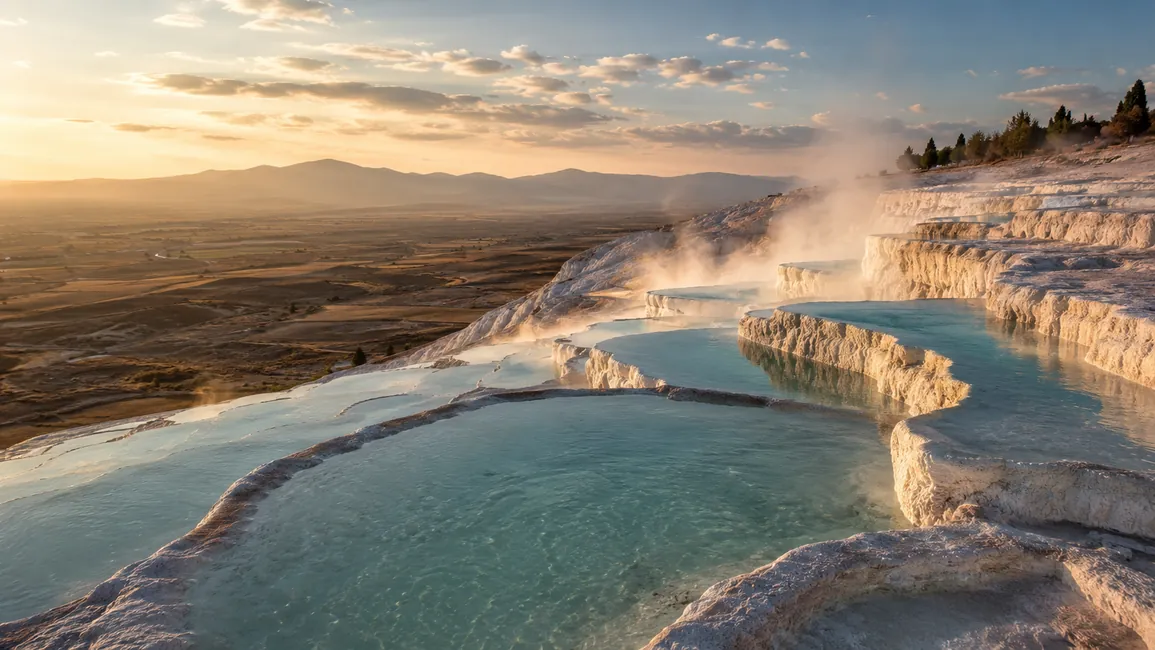
Turkey's Pamukkale turns bathing into archaeology. Calcium-rich Thermal water has spent thousands of years depositing white travertine terraces down a hillside, each pool warm enough to soak in -- a tradition old enough that the ancient Greeks built an entire spa city, Hierapolis, directly above it, convinced the water was divine.
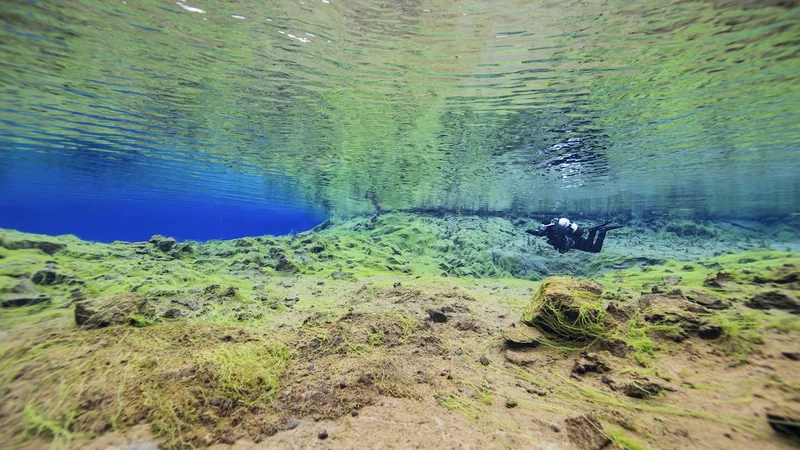
Iceland's Silfra Rift takes the same instinct somewhere colder and stranger. It is the only place on Earth where you can snorkel or dive directly between two tectonic plates -- the North American and Eurasian -- in glacial meltwater filtered so thoroughly through volcanic rock that visibility runs past 100 meters. You are, briefly, touching two continents with your own hands.
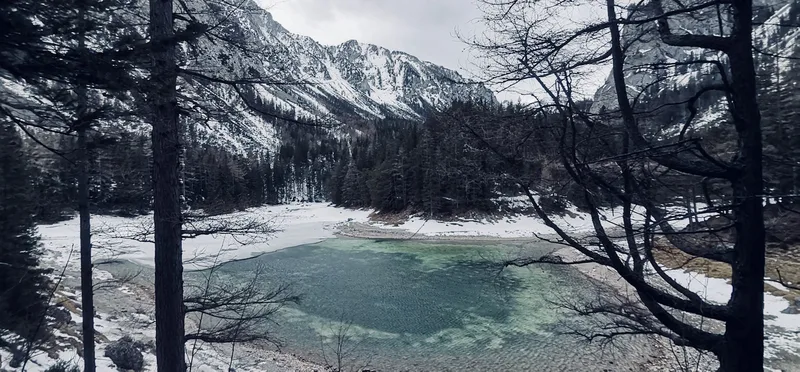
Austria's Grüner See Underwater Park only exists as a swim spot for a few weeks each spring, when snowmelt floods an alpine hiking park and submerges its benches, bridges, and meadow paths under ten meters of crystal-clear emerald water. Divers swim over the same trail markers hikers used months earlier -- a park that changes species of activity depending on the season.
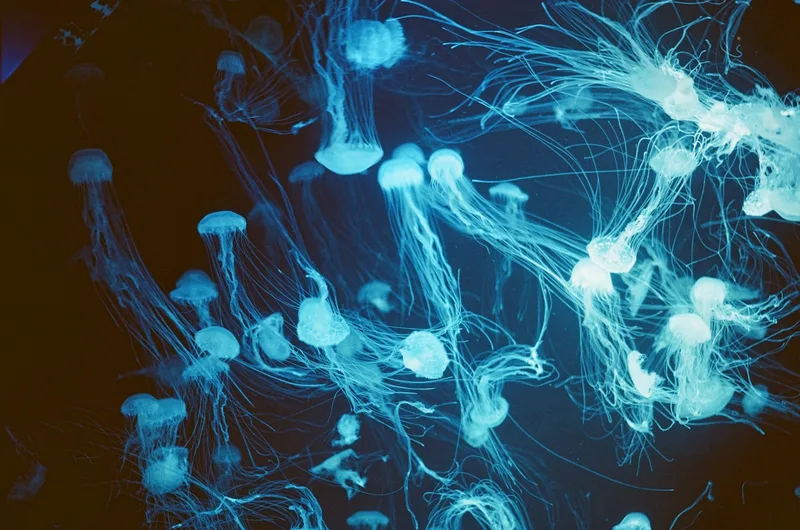
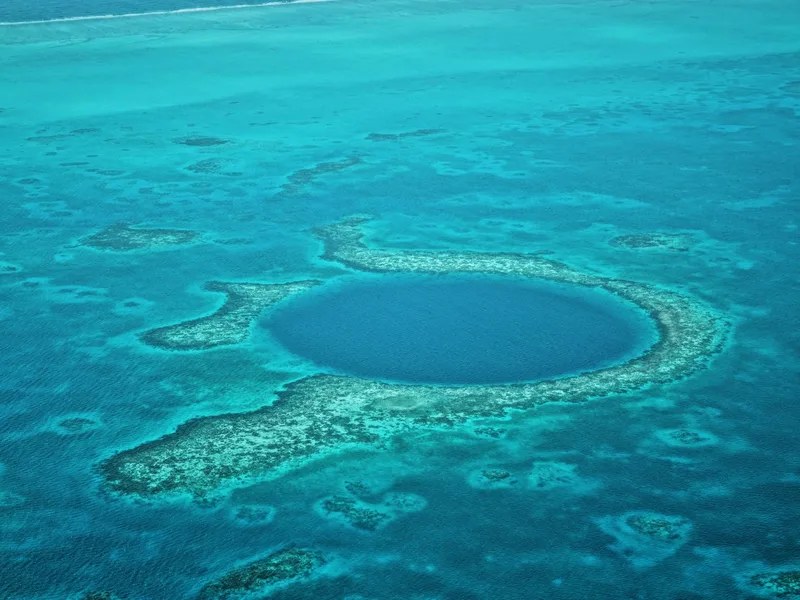
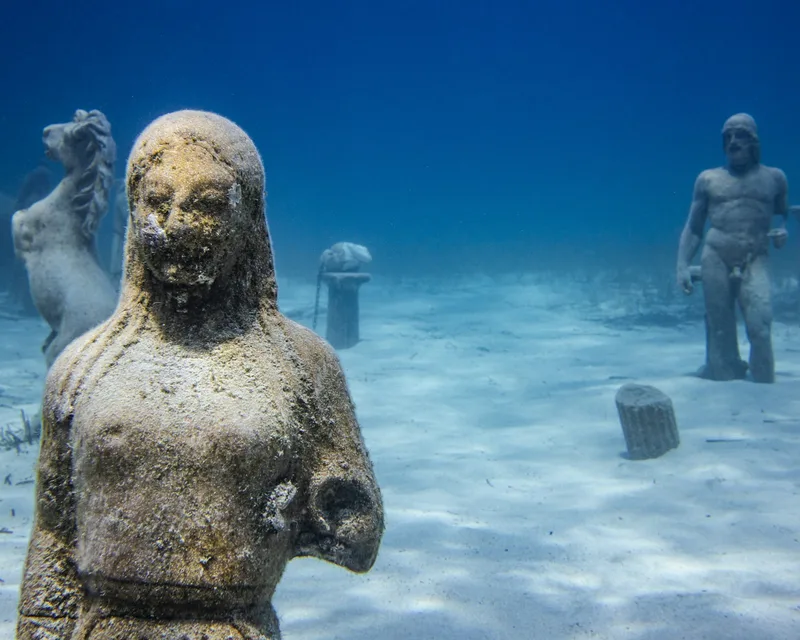
Then there is swimming as an encounter rather than a soak. Palau's Jellyfish Lake is home to millions of golden jellyfish that evolved without a sting, in a marine lake cut off from predators long enough that defense stopped being worth the energy -- visitors drift through them by the thousand. Belize's Great Blue Hole and Italy's Christ of the Abyss both reward the swim with something waiting underwater: a 125-meter-deep sinkhole in one case, a bronze statue with its arms raised in blessing 17 meters down in the other. None of it fits neatly under Underwater tourism or Lake swimming as usually defined -- which is the point.