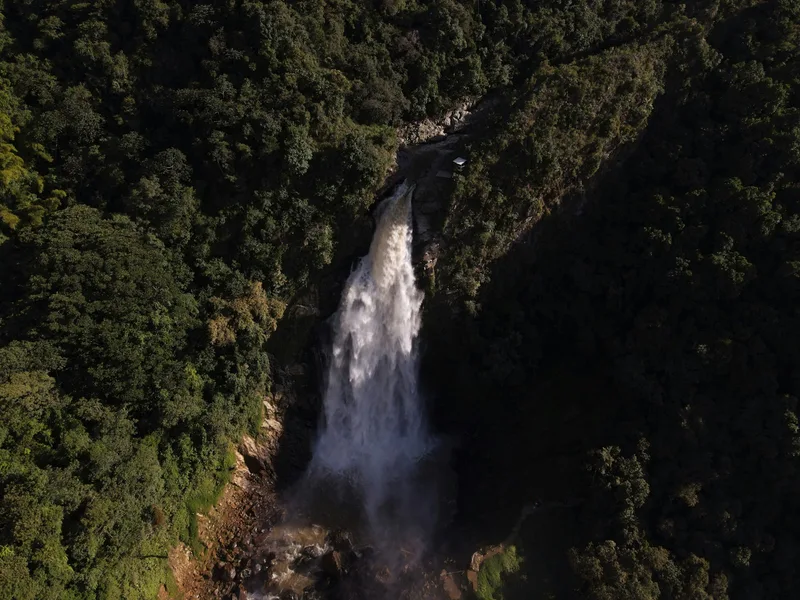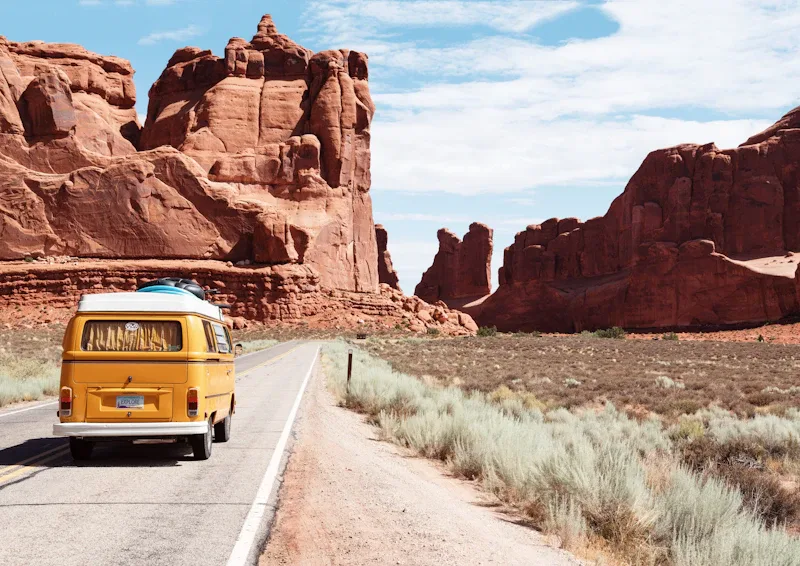
Every location here has gone viral at least once for the same reason: someone insisted the photo had to be fake. It never is. The color comes from thermophilic algae, an endemic river plant, oxidizing minerals, and volcanic chemistry — Earth's own palette, produced without a single edit, in colors photography still struggles to make anyone believe.
The skepticism isn't unreasonable. Modern feeds are full of AI-generated landscapes tuned for maximum color, and a decade of aggressive phone-camera processing has recalibrated what oversaturation is supposed to look like. Add a telephoto lens that compresses distance and flattens a ridge into what looks like a painted backdrop, and a real photograph starts resembling a rendered one. The difference is that every color in this collection has a documented physical cause — a plant, a mineral, an algae species, a wavelength of light — and none of it disappears when you stand there in person without a phone in your hand.
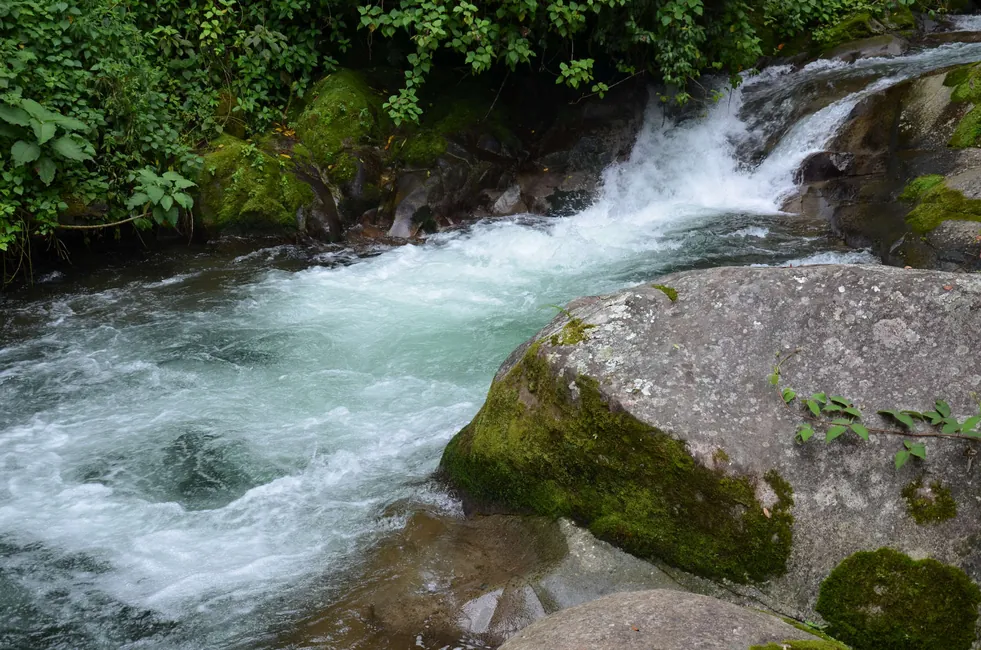
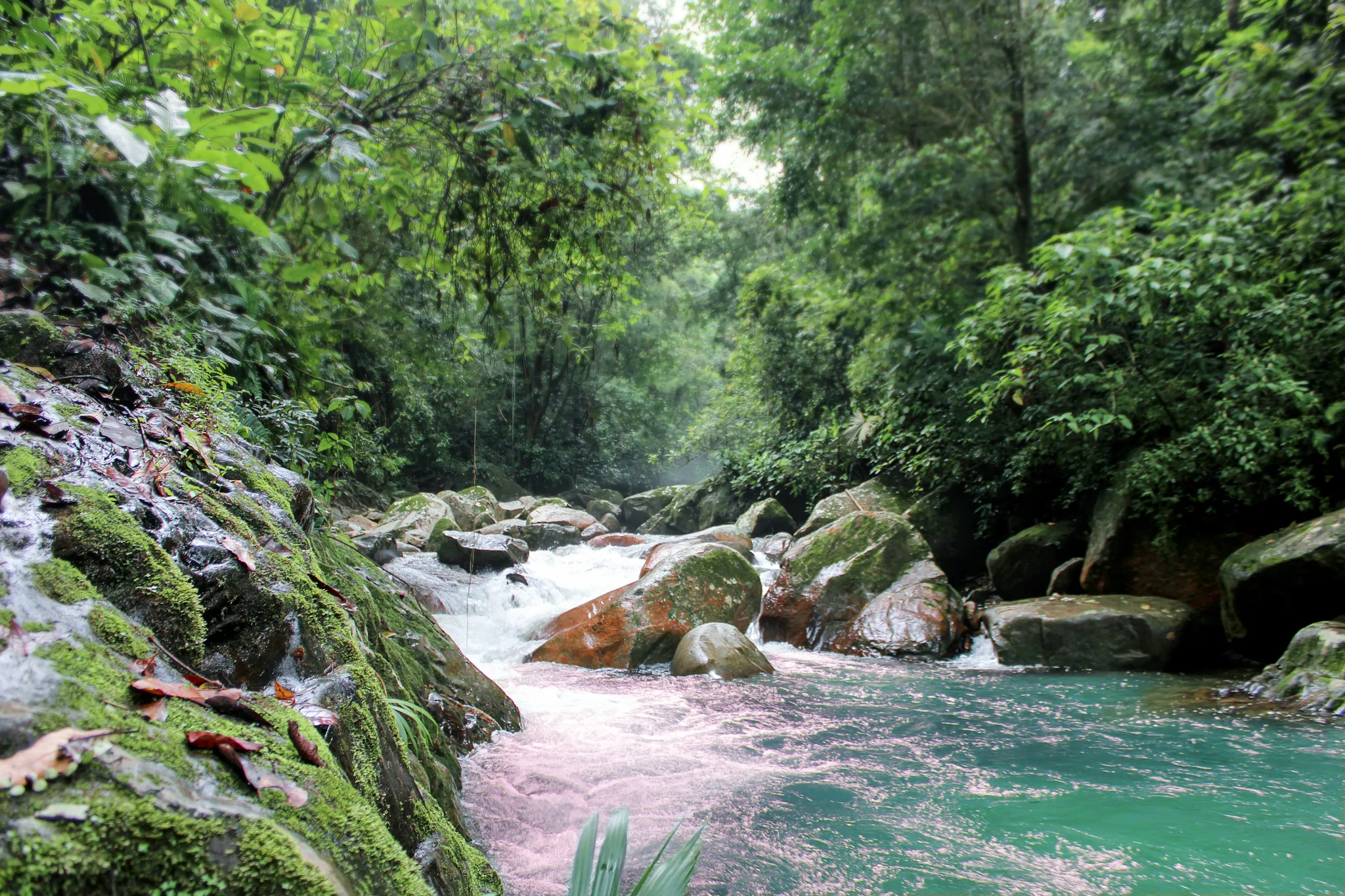
Start with water, since it's supposed to be the one element no one can accuse of lying. Colombia's Caño Cristales breaks that assumption completely — for a few weeks each year, an endemic River plant called Macarenia clavigera blooms across its bed and the water runs red, yellow, green, and black at once. Costa Rica's Río Celeste works almost in reverse: two colorless rivers meet inside a volcano's rainforest and the mixture turns an instant, opaque blue, an optical effect of mineral particle size rather than any pigment at all.
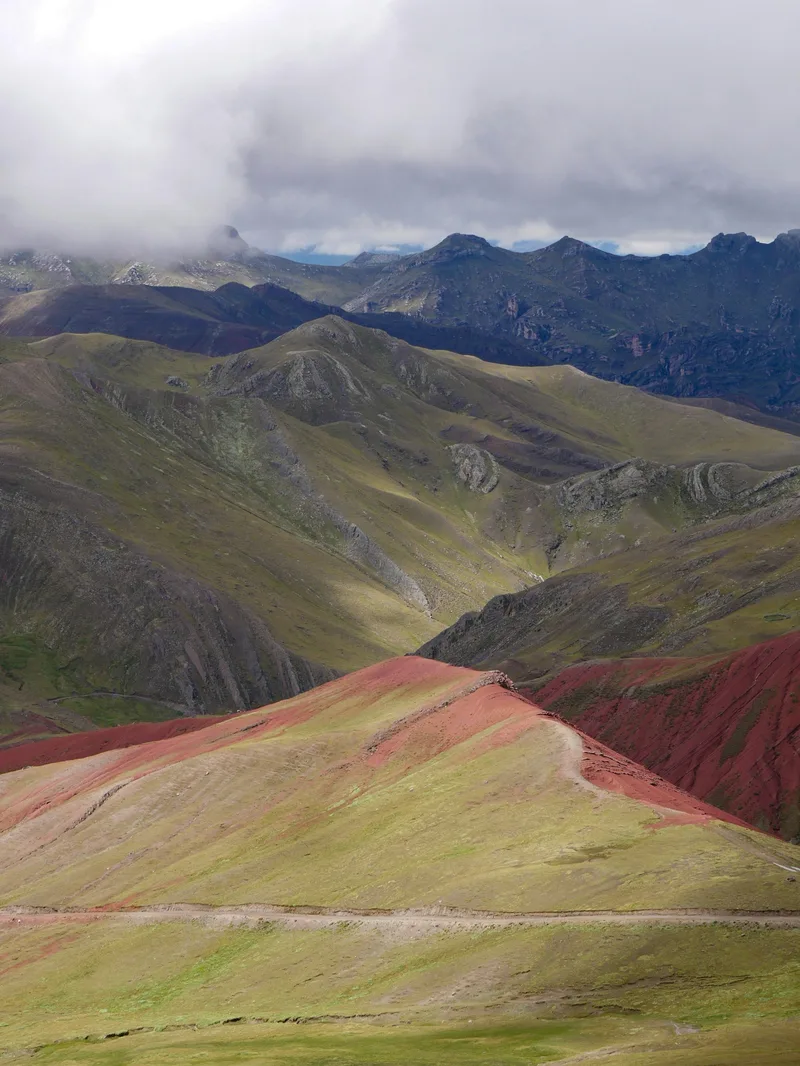
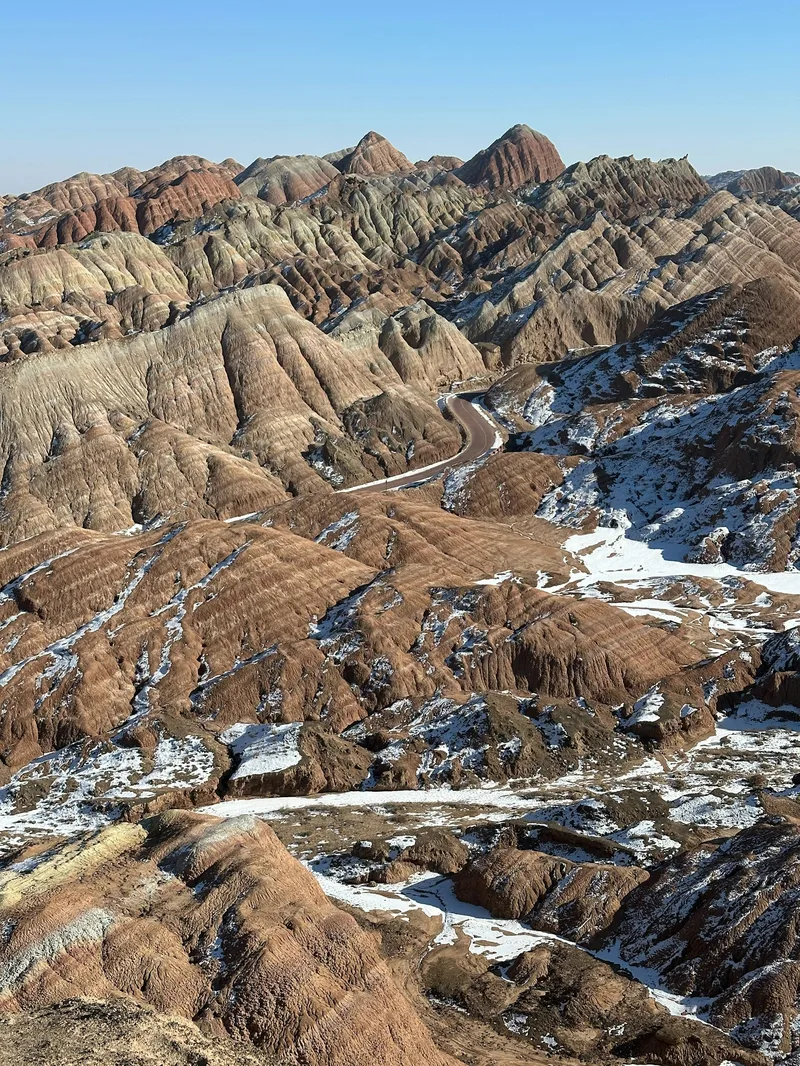
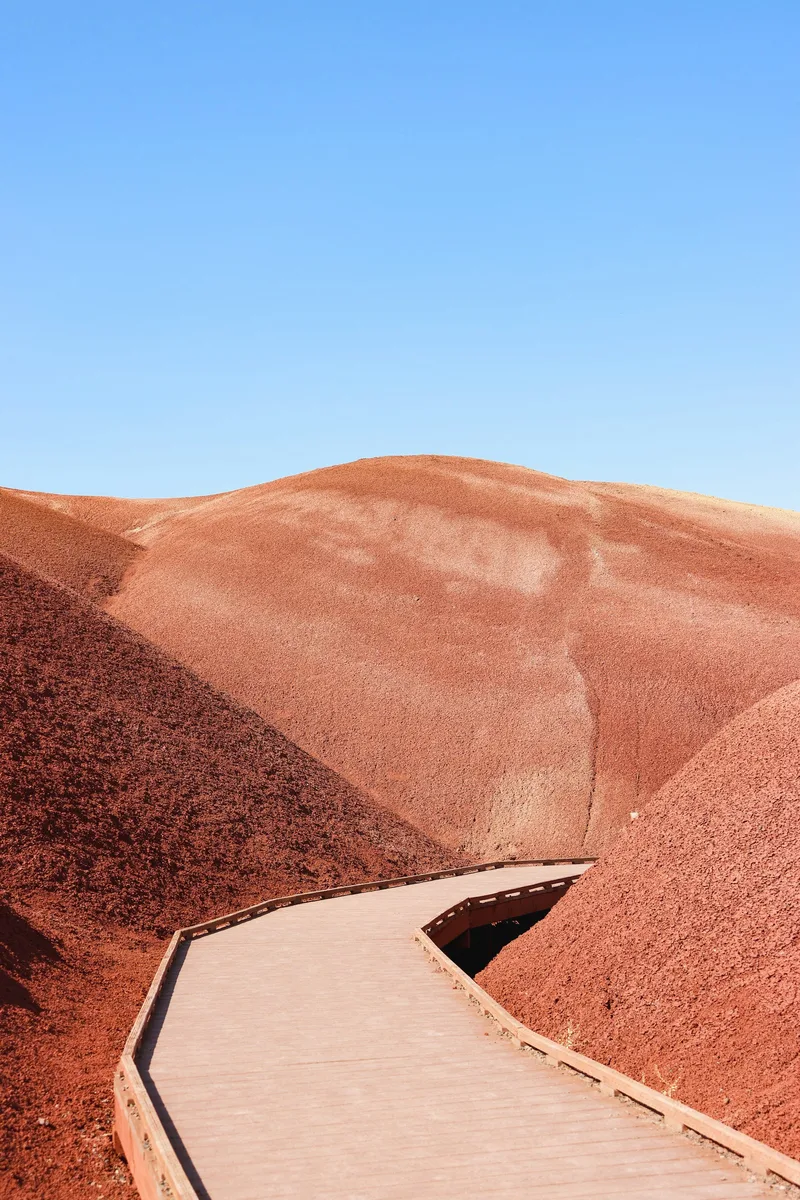
Then there's stone that was dyed millions of years before anyone existed to doubt it. China's Zhangye Danxia stacks red, orange, and green sandstone into striped ridges, one of the most recognizable Geological formations on Earth and a routine target for "is this real" comment threads. Peru's Vinicunca hid the same kind of mineral banding under glacial ice for thousands of years until a warming climate exposed it in the early 2000s, making this particular Rainbow mountain genuinely new to human eyes. Oregon's Painted Hills complete the pattern: thirty-five million years of volcanic ash laid down in bands of red, gold, and black, proof that this kind of natural striping is a repeatable global process, not a one-off anomaly.
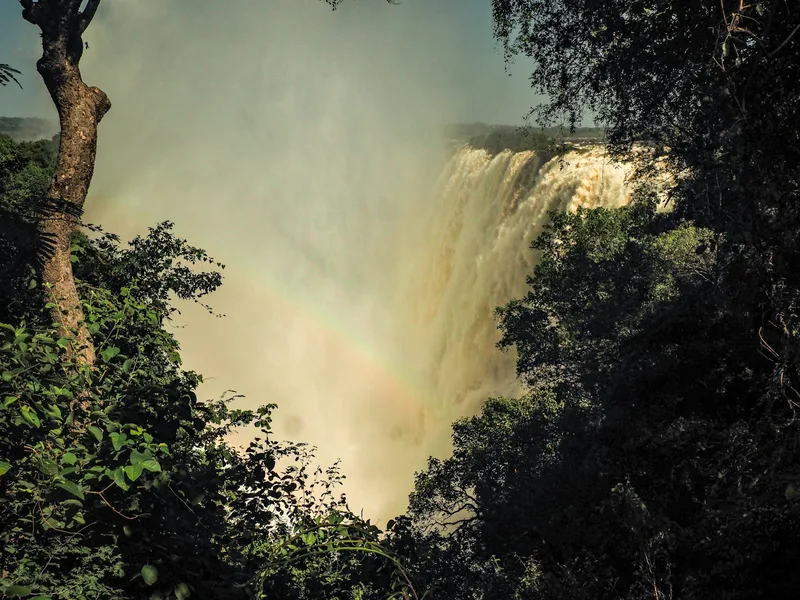
Some of these places aren't ancient at all. Nevada's Fly Geyser is barely older than the space program — an accidentally uncapped geothermal well from 1964 that let thermophilic algae colonize its mineral mounds in shades no one planned for. Victoria Falls, on the border of Zambia and Zimbabwe, proves color doesn't need a solid surface at all: its spray column is tall enough to hold a permanent rainbow, visible in daylight and, under a full moon, as one of the few consistently occurring lunar rainbows most people will ever have a chance to see.
What ties these seven color phenomena together isn't a filter, a photography trend, or a single continent — Colombia, Peru, China, the United States, Costa Rica, and the Zambia-Zimbabwe border all make an appearance. It's a shared refusal to look like the rest of the planet. Each entry below links to its own field notes, coordinates, and interesting facts. For the full spectrum of naturally colorful places in the atlas, browse everything tagged Color.